history

सिक्का का अध्ययन: इतिहास में सिक्कों की उत्पत्ति, विकास और महत्व

Explore the captivating world of numismatics. This comprehensive guide details the fascinating history of coins, tracing their origins from ancient civilizations to modern currency. Discover their evolution, economic impact, and profound cultural significance in shaping human societies and trade throughout history.

akashkumar19709

Published by

सिक्का का अध्ययन: इतिहास में सिक्कों की उत्पत्ति, विकास और महत्व

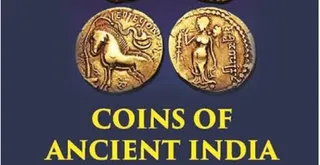
सिक्का का अध्यन नुमेरनेटिक्स कहलाता है इतिहास में प्रचलित कुछ महत्वपूर्ण सिक्को के नाम दिए गए है
1 सिंधु सभय्ता - मिटटी के सिक्के जिन्हे टेराकोटा कहा जाता था
2 मोर्य साम्राज्य - आहात, पंचमार्ग और पर्न ये सभी चांदी में ढले सिक्के थे
३. यूनानी - सोने के सिक्के चलाये
४. कुषाणों - शुद्ध सोने के सिक्के चलाये
५. गुप्त वंश - सर्वाधिक सोने के सिक्के चलाये
- मयूर शैली का सिक्का - समुन्द्रगुप्त
- शुद्ध चांदी के सिक्के - चंद्र गुप्त विक्रमादित्य
- असुद्ध सोने के सिक्के - स्कंदगुप्त
६ सातवाहन - शीशे का सिक्का
८. हुमायु - चमड़ा का सिक्का
९ शेरशाह सूरी - दाम - ताम्बे, रुपया-चांदी, असर्फी -सोने का

👁 424 Views 👍 0 👎 0

Frequently Asked Questions

What is numismatics?
Numismatics is the scientific study of coins, currency, and money, including their history, production, and cultural significance. It provides insights into economic history, art, and the daily lives of past civilizations.
When and where did the first coins originate?
The earliest known coins emerged in Lydia (modern-day Turkey) during the 7th century BCE. These initial coins were made from electrum, a naturally occurring alloy of gold and silver.
How have coins evolved throughout history?
Coins have evolved significantly from simple stamped lumps to sophisticated metallic discs. Their evolution includes changes in materials (from electrum to gold, silver, bronze, and modern alloys), denominations, designs, and production techniques, reflecting technological advancements and societal changes over millennia.
Why were coins invented?
Coins were primarily invented to facilitate trade and make economic transactions more efficient. They provided a standardized, portable, and divisible medium of exchange, replacing cumbersome bartering systems and promoting broader commerce.
What is the historical and cultural significance of coins?
Coins are invaluable historical artifacts, offering deep insights into ancient economies, political systems, rulers, mythologies, artistic expressions, and the daily lives of past civilizations. They serve as miniature records, reflecting the values, power, and beliefs of the societies that produced them.